
![58456_531194546901138_1849300370_n[1].jpg](https://elcondor1965.blog/wp-content/uploads/2013/03/608be-3873562033.jpg?w=1100)
![64438_532284620125464_1853986575_n[1].jpg](https://elcondor1965.blog/wp-content/uploads/2013/03/c1250-431658271.jpg?w=1100)
![17525_529839337036659_1142827139_n[1].jpg](https://elcondor1965.blog/wp-content/uploads/2013/03/1dff0-555666768.jpg?w=1100)
![45831_530164607004132_351992747_n[1].jpg](https://elcondor1965.blog/wp-content/uploads/2013/03/6cd06-1474960998.jpg?w=1100)
![47051_532035023483757_1267652583_n[1].jpg](https://elcondor1965.blog/wp-content/uploads/2013/03/b5a5e-2174071378.jpg?w=1100)
![65512_529840413703218_455589505_n[1].jpg](https://elcondor1965.blog/wp-content/uploads/2013/03/2980b-1484369360.jpg?w=1100)
![69574_531754260178500_1758714391_n[1].jpg](https://elcondor1965.blog/wp-content/uploads/2013/03/d5257-3613894557.jpg?w=1100)
![420205_338410949593576_873497567_n[1].jpg](https://elcondor1965.blog/wp-content/uploads/2013/03/b15a9-2879590959.jpg?w=1100)
![485201_529700950383831_1357810778_n[1].jpg](https://elcondor1965.blog/wp-content/uploads/2013/03/5de2e-2822838736.jpg?w=1100)
![548708_532642896756303_1817563121_n[1].jpg](https://elcondor1965.blog/wp-content/uploads/2013/03/a615b-1653681932.jpg?w=1100)
![555951_528991087121484_1871505796_n[1].jpg](https://elcondor1965.blog/wp-content/uploads/2013/03/763d4-1024179407.jpg?w=1100)
![563543_531195493567710_1113662344_n[1].jpg](https://elcondor1965.blog/wp-content/uploads/2013/03/4f065-1416312328.jpg?w=1100)
![563548_530706590283267_1817940664_n[1].jpg](https://elcondor1965.blog/wp-content/uploads/2013/03/b15c6-414752139.jpg?w=1100)
![601972_531634096857183_1284805895_n[1].jpg](https://elcondor1965.blog/wp-content/uploads/2013/03/03b79-2840036700.jpg?w=1100)
![644131_529422837078309_502741393_n[1].jpg](https://elcondor1965.blog/wp-content/uploads/2013/03/cd6ef-1071300617.jpg?w=1100)
Auteur: elcondor1965
NANAI
2013
Merry Christmas,
Happy New Year 2013,
to all Native American friends,
keep on support them and there way of life.
Wounded Knee massacre 29 december 1890 “remenberance”
Het bloedbad van Wounded Knee, Zuid Dakota.
In 1890 hadden de Noord-Amerikaanse Indianen al veel geleden onder de nederlagen tegen de blanken. Een deel van hen leefde in erbarmelijke omstandigheden in het Pine Ridge reservaat. In Nevada voorspelde de Pajute indiaan Wovoka de Indianen een herboren en vredige aarde zonder blanken, met terugkeer van alle overledenen, als de Indianen voortaan oprecht zouden leven, geen alcohol meer zouden drinken en zichzelf ritueel zouden reinigen.
Kicking Beer, een Sioux-indiaan van de Minconjou Lakota, die in het Pine Ridge reservaat leefde, reisde naar Wovoka om kennis te nemen van diens voorspelling, gaf er zijn eigen visie aan en voorspelde de uitroeiing van de blanken. Speciale hemden (ghost shirts) gemaakt en beschermd geworden bij een rituele geestesdans, zouden bescherming bieden tegen de kogels van de blanken.
De autoriteiten in het Pine Ridge reservaat raakten bevreesd voor een opstand. Ze verboden de geestesdans en schakelden het leger in.
De Miniconjou Lakota haalden Sitting Bull over om zich bij hen te voegen, maar voor het zover was, werd hij door de Indiaanse politie gearresteerd. Er ontstond een schermutseling. Sitting Bull, zeven van zijn krijgers en zes leden van de Indiaanse politie kwamen hierbij om.
De zevende cavalerie ging onder bevel van majoor Samuel Whitside op zoek naar de Miniconjou die het reservaat waren ontvlucht. Op 28 december 1890 werd de groep gevonden, dertig mijl ten oosten van Pine Ridge. De uitgeputte en slecht tegen de winterkou geklede Indianen boden geen verzet. Ze kregen de opdracht een kamp op te slaan bij de Wounded Knee Creek, vijf mijl westelijker.
De volgende ochtend wilde het leger de Indianen ontwapenen. Hun medecijnman Yellow Bird voorspelde dat de geestesdanshemden hen zouden beschermen tegen de kogels van de militairen. Intussen probeerden enkele soldaten een van de Indianen zijn geweer te ontnemen. Zij wisten niet dat hij doof was en zagen zijn onbegrip aan voor verzet. Er ontstond een worsteling waarbij het geweer per ongeluk afging en een soldaat neerviel. Dit was het begin van een hevige schietpartij. Van dichtbij vuurden de soldaten, ondersteund door snelvurende Hotchkiss kanonnen, in de groep Indianen die slechts gewapend waren met de knuppels en messen die ze hadden verborgen in dekens.De geestesdanshemden hielpen niet. Tientallen Indianen, onder wie veel vrouwen en kinderen, werden neergemaaid. De enkele Indianen die erin geslaagd waren om te vluchten werden kilometers ver buiten het kamp achtervolgd en gedood. In totaal kwamen meer dan 200 Indianen om. Er sneuvelden 25 militairen, en 39 raakten gewond. Na het bloedbad begon het enorm hard te sneeuwen. De volgende lente, toen het leger terugkeerde, werden van de lijken die waren blijven liggen 144 indianen, waaronder 44 vrouwen en 16 kinderen, begraven in een massagraf.

Het indianenkamp voor het bloedbad.
.jpg)
Chief bigfoot in een vervroren gesneuvelde houding op het slagveld.

Het indianenkamp na het bloedbad.

Dode indianen en paarden in de sneeuw na het bloedbad.

Alle lijken werden samen in een maasagraf begraven.
Let us remember, it was also christmas that time.
VS betalen 3,4 miljard dollar vergoedingen uit aan indianen

Na zeventien jaar van procesvoering heeft de Amerikaanse overheid aangekondigd dat duizenden indianen binnenkort voor in totaal 3,4 miljard dollar schadevergoedingen krijgen uitbetaald. De indianen beschuldigden de overheid van mismanagement van inheemse gelden en land.
Het gaat in totaal om 3,4 miljard dollar, waarvan ongeveer de helft naar 350.000 individuen gaat. Volgens de advocaten van de eisers worden de eerste cheques van duizend dollar nog voor kerst verstuurd. “De afspraak is nu definitief. Maar zelfs net voor de beslissing leek er nog een kink in de kabel te komen”, zei Sherry Salway Black, directeur van Partnership for Tribal Governance, tijdens een teleconferentie.
Ook indianen van wie land verkeerd werd getaxeerd, krijgen een schadevergoeding. Dat proces zal in de komende zes maanden plaatsvinden. Verder gaat er 60 miljoen dollar naar hoger onderwijs voor indianen. Tot slot is bijna 2 miljard dollar opzijgezet voor zogenoemd “verbrokkeld” land. Hierbij zijn 260.000 mensen betrokken die in de afgelopen decennia slechts kleine stukjes land in bezit kregen van grond die oorspronkelijk collectief eigendom was.
‘Mismanagement Indiaanse geldrekeningen’
De rechtszaak werd aangespannen in 1996, deels door een indiaanse vrouw, Elouise Cobell. Zij overleed vorig jaar. De eisers beschuldigden twee overheidsdepartementen van mismanagement van ‘Individuele Indiaanse Geldrekeningen’ met bezittingen van individuele indianen.
De overheid had het beheer over deze rekeningen, maar had jarenlang foutieve informatie over het totale bedrag naar buiten gebracht en als gevolg daarvan te weinig uitbetaald aan rechthebbenden. Ook werd een deel van het geld door de overheid zelf gebruikt.
De ‘Cobell-zaak’ is een van drie grote overeenkomsten tussen de Amerikaanse overheid en verschillende indianengroepen, die vrijwel allemaal tegelijkertijd gesloten zijn. In augustus kregen 4200 inheemse boeren en ranchers 780 miljoen dollar uitgekeerd wegens systematische discriminatie bij kredietprogramma’s van het ministerie van Landbouw. Verder worden er binnenkort meer dan vijftig kleine overeenkomsten van verschillende soorten afgerond.
Meningsverschil over aantal misbedeelden
Er heerst meningsverschil over de vraag hoeveel mensen slachtoffer zijn geworden van de malversaties van de overheid. De eisers beweren dat het om een half miljoen indianen gaat, maar de overheid houdt het op de helft daarvan. In 2009 werd uiteindelijk overeenstemming bereikt over betaling van 3,4 miljard dollar door de overheid. President Barack Obama keurde de overeenkomst een jaar later goed. Daarna volgde nog twee jaar van juridische gevechten, waar vorige week een einde aan kwam.
Obama hoop op verzoening
Obama zei te hopen dat het einde van de zaak “de weg vrijmaakt voor verzoening tussen de benadeelden en de federale overheid.” De meeste indianen zien het nieuws als een overwinning, hoewel er nog veel bitterheid heerst. “We weten allemaal dat deze vergoeding te laag is”, zegt Jefferson Keel, voorzitter van het National Congress of American Indians (NCAI). “Maar we moeten ook een manier vinden om de wonden te helen en in ieder geval een zekere mate van restitutie te bereiken.
Prachtige Collectie
De grootste western winkel in België te Brussel, maar wat er zo speciaal aan is, is dat de eigenaar een zeer mooie privé collectie heeft over de “Native Americans”, hij heeft ook reeds aan menig tentoonstelling meegedaan, zowel in Brussel (waar ik ook geweest ben in het Jubelpark een paar jaar terug, kan je terug vinden in een van mijn andere categorieën, alsook in de US, prachtige collectie.
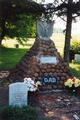
Geronimo’s Grave


November 11th in Belgium
I will send my dearest endorsements to all veterans and the family’s of killed soldiers to liberated our country in the two world wars, between those soldiers were also “Native Americans” as well from the US and Canada, somme examples; Blackfoot from Canada in the west corner, Navaho en Lakota in the battle of the Ardennes, and many more ………………..
They were here for us, so far from home.
REMEMBER OUR “NATIVE AMERICAN” LIBERATORS
RESPECT & PEACE
Russel Means past away
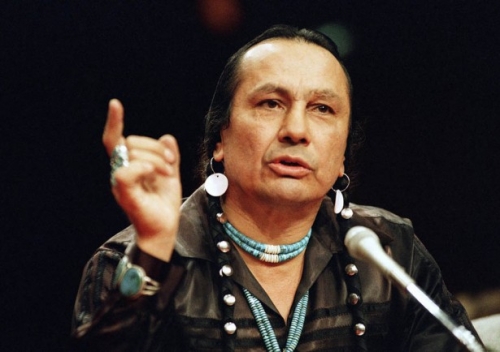
Een van de bekendste AIM activisten en verdediger van de rechten van de “Native Americans” is onlangs op 22 oktober 2012 overleden aan keelkanker. Velen onder ons gaan hem ook kennen als acteur van menige films.
Zijn levenswandel;


Neen, toch geen “Indian” motorcycle.
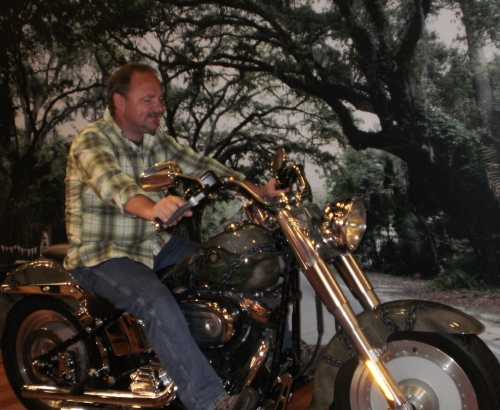
Toch maar eens proberen, onlangs in de US, bedoeling was een “Indian” te testen, maar wegens gebrek maar een Harley gekozen.
 elcondor native American people blog